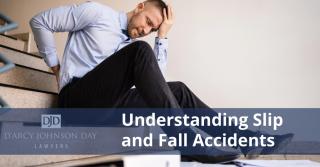
Understanding Slip and Fall Accidents
If you experience a slip and fall accident, you may develop more than just bruised pride. There can be significant injuries that follow, even if they are not immediately apparent. It’s imperative to take proper post-accident protocols which go beyond standard embarrassment management. Every passing second becomes vital. During our next series of articles, we will take a look at some steps you can take to protect your health and rights after a slip and fall accident.
Slip and fall accidents may sound simple. A momentary loss of footing, a quick tumble, an awkward scramble to get up. Dangerous conditions which cause slip and falls can exist anywhere. They include everything from slippery supermarket floors and frozen walkways to defective staircases and damaged floor coverings. Year after year, thousands of people in the United States sustain injuries ranging from mild aches to permanent disabilities as a result of slip and fall mishaps.
According to the Centers for Disease Control and Prevention, falls are the most common cause of traumatic brain injuries in older adults. This isn’t just a statistic; it represents lives interrupted, jobs missed, and everyday routines turned upside down. The effects ripple outward, touching families, coworkers, and even community resources, as victims of slip and falls navigate medical visits and face the injuries that occurred. What's infuriating is how often preventable conditions lead to these falls. Property owners can sometimes overlook routine maintenance, or icy patches get ignored during winter storms. The result? A normal errand can become a sudden ordeal, and in some cases, a life altering event.
Over the past decade, increased awareness and tighter regulations have encouraged some improvements, but personal injury lawyers can attest that these accidents remain all too common. Awareness, then, isn't just about caution; it's also a shared responsibility among communities, landlords, businesses, and everyday people.
Slip and fall accidents may sound simple. A momentary loss of footing, a quick tumble, an awkward scramble to get up. Dangerous conditions which cause slip and falls can exist anywhere. They include everything from slippery supermarket floors and frozen walkways to defective staircases and damaged floor coverings. Year after year, thousands of people in the United States sustain injuries ranging from mild aches to permanent disabilities as a result of slip and fall mishaps.
According to the Centers for Disease Control and Prevention, falls are the most common cause of traumatic brain injuries in older adults. This isn’t just a statistic; it represents lives interrupted, jobs missed, and everyday routines turned upside down. The effects ripple outward, touching families, coworkers, and even community resources, as victims of slip and falls navigate medical visits and face the injuries that occurred. What's infuriating is how often preventable conditions lead to these falls. Property owners can sometimes overlook routine maintenance, or icy patches get ignored during winter storms. The result? A normal errand can become a sudden ordeal, and in some cases, a life altering event.
Over the past decade, increased awareness and tighter regulations have encouraged some improvements, but personal injury lawyers can attest that these accidents remain all too common. Awareness, then, isn't just about caution; it's also a shared responsibility among communities, landlords, businesses, and everyday people.